As you may know, 4C hair care requires an understanding of its special characteristics. 4C hair has very tight coils, and being that it is so fragile, the hair is very prone to breakage as well as dryness. The secret to healthy, cute 4c hair is simply moisture and also gentle treatment.
What You Need to Know About 4C Hair Type
4C hair has tightly coiled curls that pack densely together to form voluminous textures. They have a unique Z-shaped pattern in comparison to other curly hair types. This hair type shrinks by up to 70-80% whenever it is dry, which makes it appear shorter than its actual length.
Also, the tight coil structure hinders its natural oils from flowing down the hair shaft. Consequently, the strands become dry and deprived of normal moisture. Unlike all other curl patterns, 4c hair does not necessarily have a visible, defined curl pattern if you simply look at it. Though it appears dense, it breaks easily due to its fineness.
The combination of these traits subjects the 4c hair to tangling, breakage, and environmental damage.
If you are confused about your hair type, here is How to Identify Your Hair Curl Type

Moisture Needed for 4C Hair
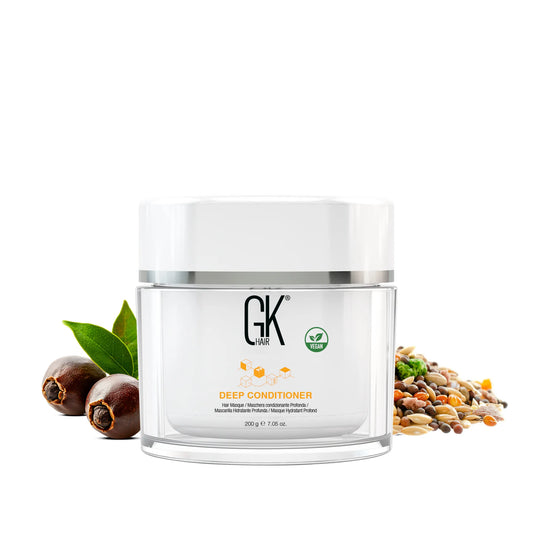
The right 4c hair care should be primarily based around retaining moisture — it’s the top 4c hair problem. Deep conditioning is a must in the routine, as it will always replenish the moisture in your hair and also render it elastic. You are required to deep condition your hair on a weekly basis to nourish the hair strands and protect it from breakage.
In addition, depending on your hair porosity, how you apply products matters. The following are the two best ways:
-
LOC (Liquid, Oil, Cream) method: This works for high porosity hair since it will be able to seal in moisture by not allowing it to escape quickly due to raised cuticles.
-
LCO (Liquid, Cream, Oil) method: For low porosity hair, you apply the cream first, followed by oil, in order to avoid product buildup.
For 4c hair, moisturize using a water-based leave-in conditioner and a moisturizing cream that contains shea butter, natural oils, and humectants such as glycerin.
Best Styling Method for Hair Health
Protective styling is the best for 4c hair because it will help maintain the hair’s health. This is especially necessary during Canada’s harsh winter season, where the hair is subjected to the weather and can be harmed.
There are hairstyles that are going to hide your hair ends, decrease manipulations, and serve as a barrier between the hair and the environment. Some popular protective 4c hairstyles are braids, twists, bantu knots, and an updo.
Why does this matter? 4c hair is subject to even more of the harshness of the cold, dry air and indoor heating systems during winter. Protective styles hold moisture and protect your hair from drying effects.
During summer months, protective hairstyles will protect your hair from humidity and sun damage—twists and box braids, in particular. They can prevent frizz by not letting your hair take in too much moisture.
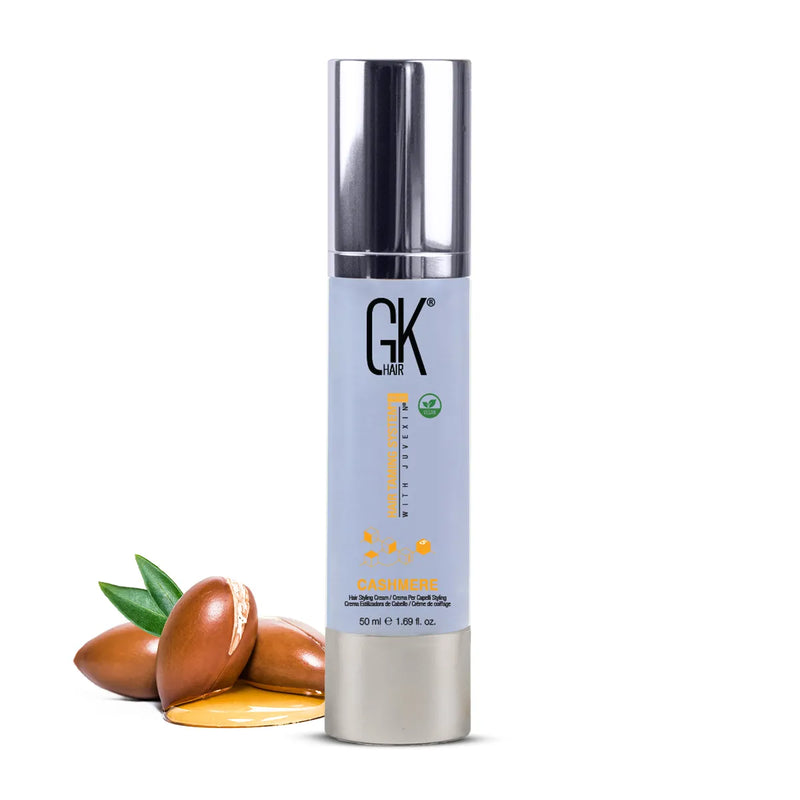
However, do not keep protective styles in too long; they will matt and break off. Make use of GK Hair’s Cashmere Hair Cream to give your style a flawless finish.

Nourishing Oils and Natural Ingredients That Promote Healthy Hair
Adding the right oil to your 4c hair routine will provide the necessary nourishment and protection that your hair deserves. One of such oils is jojoba oil — beneficial for easy moisture absorption and balance without weighing down your hair. It is very similar to your scalp’s natural sebum and has antimicrobial abilities for a healthy scalp.
Other good alternatives include argan oil (for vitamin E protection), castor oil (for edge strengthening), and avocado oil (for deep conditioning). In case you are using essential oils like tea tree, lemon, and lavender for home treatment, mix them with carrier oils (like jojoba oil) before application.
4C Hair Care Tips
Gentle Cleansing
4c hair needs periodic gentle washing to preserve its natural oils. Wash your hair every 2-3 weeks with a shampoo that can clean without drying the hair. GK Hair’s Moisturizing Shampoo is free from sulfate and can make your hair soft, smooth, and healthy.
Shampoo your hair with lukewarm water to avoid further drying, and make sure you apply it on the scalp, not the length of your hair, to avoid breaking your hair.

Regular Maintenance and Trimming
To maintain healthy 4c hair, you will have to get your hair trimmed regularly so that your hair will not break off due to split ends. Trim your hair every 3-4 months for healthy hair, depending on your hair condition.
Trim your hair when:
-
It becomes difficult to detangle.
-
You notice dry, rough ends.
-
It dries faster than normal.
Remember to massage your scalp regularly in order to increase the flow of blood—this will help improve hair growth.
4C Daily Care
Nurture your 4c hair every day with a leave-in conditioner to keep it moisturized and shielded till your next wash day. Doing so will help eliminate frizz and create a shield against harmful elements—especially when applied to damp hair.
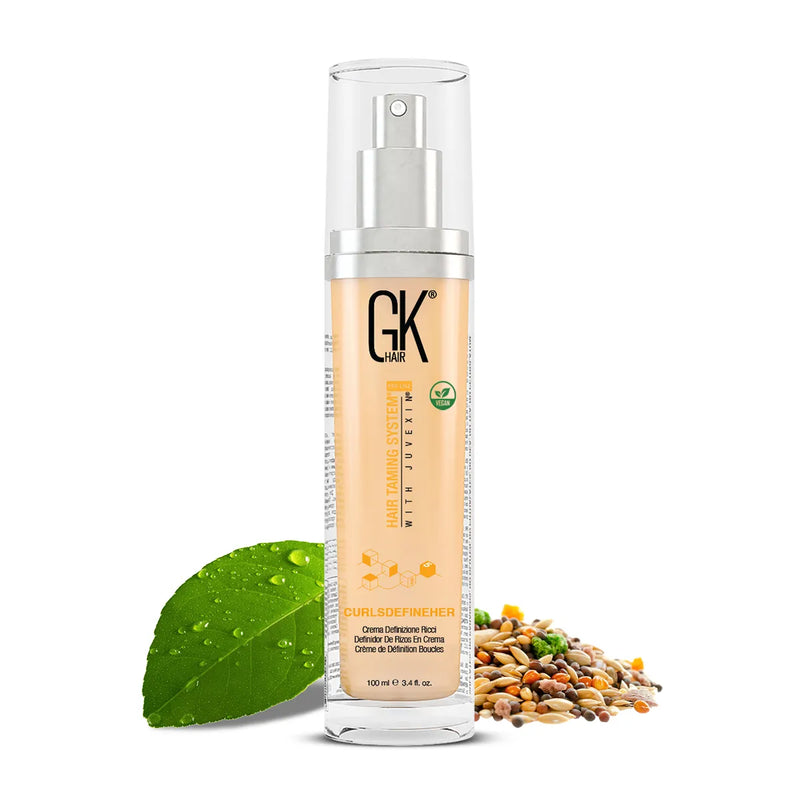
The leave-in conditioner you apply will depend on the diameter of the hair strand. Use a reliable Leave-In Conditioner Hair Spray for fine hair and Leave-In Conditioner Hair Cream for thick hair.
Seasonal Adjustments
Different seasons require different approaches. You will need to adjust your 4c hair care seasonally if you stay in regions with high fluctuation in temperature, like Canada.
Winter is a season with freezing cold temperatures and high indoor heat. During this period, your 4c hair tends to become very dry due to loss of moisture to dry air—this causes split ends, makes the hair break, and even causes dandruff to spread. Keep moisture locked in at all times with a deep conditioner and wear coverings made of silk or satin when going out.
The cuticle, in addition, becomes highly susceptible to the effect of sun’ rays, and the hair also becomes frizzy due to humidity during summer. Use sulfate-free products and wear UV protection to protect your hair from sun damage.
Final Thoughts
Healthy 4c hair requires patience and practice, so you need to be consistent. You just have to keep to the recommended routine in order to achieve well-defined, healthy 4c curls without removing their natural beauty.