Once you understand your hair type, you’ll quit wasting time guessing and overpaying on products that aren’t meant for your actual strands. Everything from texture, density, porosity, and even hair condition plays a role in getting to know your hair. The weather in Canada can also affect how your hair feels from one season to the next. Use this helpful guide to help you learn how to read your hair, shop smarter for hair products, and create a simple hair care routine.
Understanding Hair Texture Types
Hair texture refers to the pattern your hair naturally forms when washed and allowed to air dry. It’s best to determine your hair texture on clean hair with minimal to no styling products used, as hair creams, oils, and heat styling tools can mask your true texture.
If your hair is straight, it will most likely lie flat against your head from root to tip. Straight hair can appear silky or shiny. If your hair has waves, it forms soft curves or S-shaped patterns. With curly hair types, your hair can range from loose curls to tightly spiraled curls. Many curly-haired folks need extra moisture and products that combat frizz. If you have coily hair, your hair will most likely form tight curls or zig-zag patterns. Coily hair typically requires richer, more moisturizing products and needs to be handled more gently.
Also, according to the American Academy of Dermatology, curly-haired people are more prone to having dry or frizzy hair after being washed too often, so hydration is key.
Checking Density, Porosity, and Condition
Density refers to how many individual strands of hair you have on your head. Fine density can leave your scalp more visible. Thick density can leave your hair feeling fuller, heavier, or harder to dry. Medium density falls somewhere in between and tends to offer more versatility when styling your hair.
Porosity refers to how well your hair can absorb and retain moisture. If you have low porosity hair, it may take longer to become saturated with water. On the other hand, if you have high porosity hair, you may notice your hair dries out faster or has more frizz. Learn more about how well your hair holds moisture by checking out our low porosity vs. high porosity hair post.
Condition lets you know what your hair needs currently. For example, oily hair may feel limp or greasy around the hair roots. Dry hair can feel brittle or lack shine. Damaged hair may appear rough, have split ends, or break easily. According to the Canadian Dermatology Association, how often you should shampoo can vary based on your hair and scalp.
Matching Hair Care Products to Your Routine
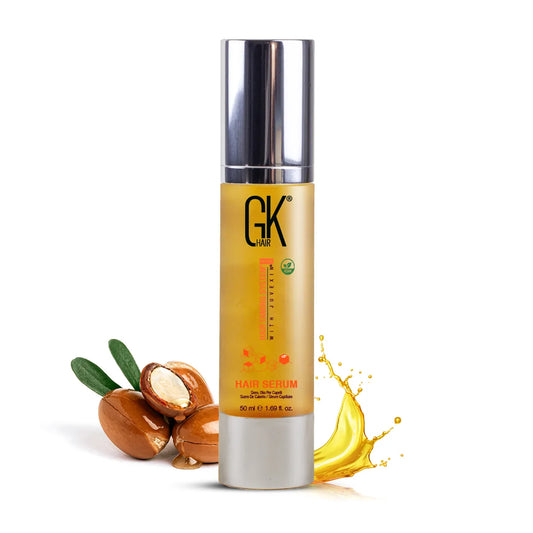
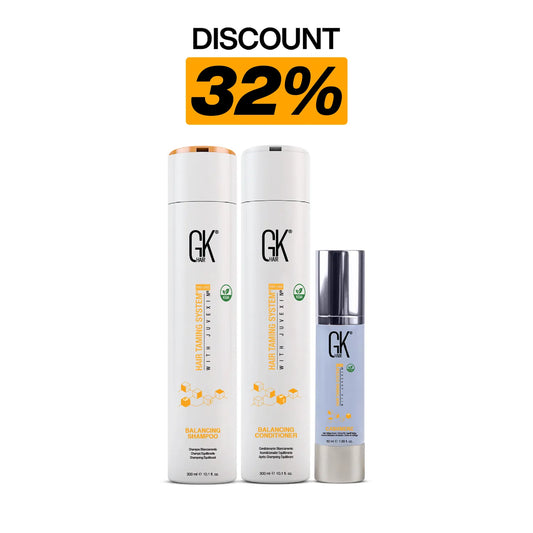
The best products for your hair type should complement what your hair lacks most. Some hair types require a lighter cleanse. Other hair types may need extra help when it comes to moisture and repair. To keep this routine easy, we'll use only two hair products.
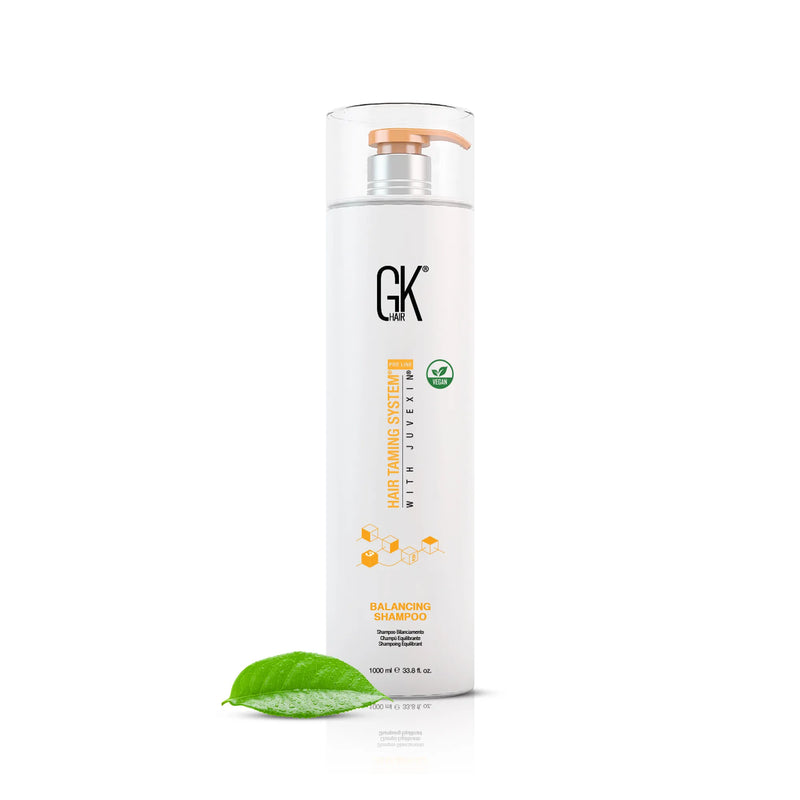
GK Hair Balancing Shampoo
Best for: Fine hair, medium hair, oily roots, and flat hair in between washes.
GK Hair Balancing Shampoo will cleanse your scalp and hair without weighing down your strands. Dispense a small amount into wet hair. Massage into the scalp for approximately one minute. Rinse thoroughly. Apply conditioner from mid-lengths to ends only if you have particularly oily roots. Use 2-3 times a week, or as your scalp requires.

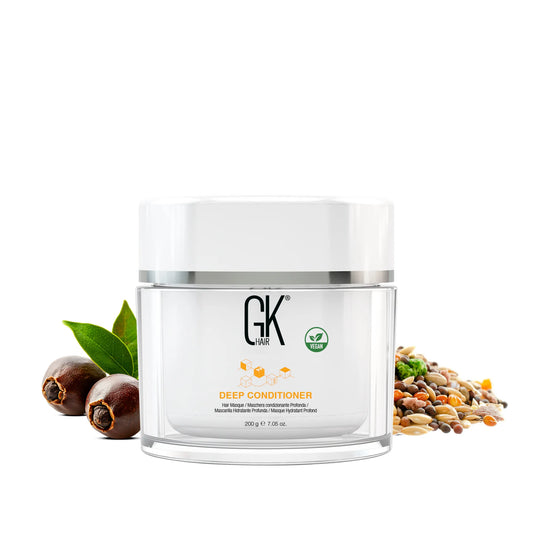
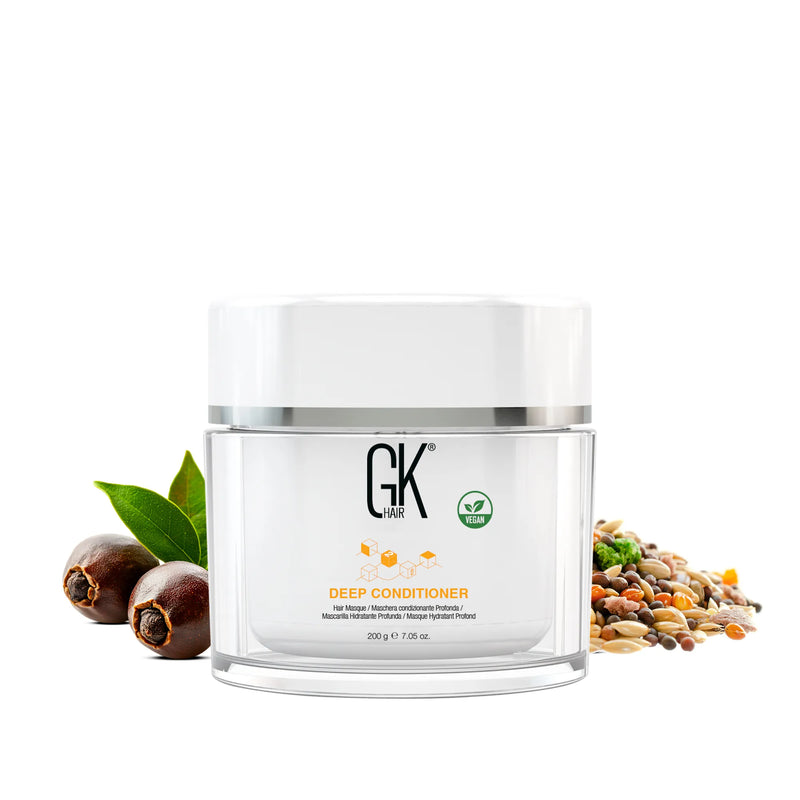
GK Hair Deep Conditioner
Best for: Dry hair, coarse hair, curly hair types, high porosity hair, and dry strands from Canadian winters or summer frizz.
GK Hair Deep Conditioner Hair Treatment will leave hair feeling softer, smoother, and easier to manage. Apply from mid-lengths to ends evenly throughout the hair. Apply more where dryness is concentrated and less product near the roots. Allow to sit for approximately five minutes. Rinse thoroughly. Use once a week on dry hair, or every other week if your hair only requires a lightweight moisture boost.

What’s the Best Shampoo for All Hair Types?
A shampoo that thoroughly cleans without leaving hair feeling dry, weighed-down or rough is the best shampoo for all hair types. Of course, the best product for you still depends on what your primary concern is. Oily roots benefit from balancing, dry ends love hydration, and colour-treated locks want protection that helps maintain their shade.
Treatments, Masks, and Juvexin Support
Derived from plant-based proteins quinoa and pea protein, Juvexin V2 works to help support hair that feels smoother, softer, and more manageable by helping to protect the hair fibre from daily stress. This built-in support is helpful for hair here in Canada, where indoor heat, cold air, humidity, and outdoor activities are some hair-touching factors.
Certain treatments work better for adding moisture, some are better for smoothness, and others for strength. Since GK Hair educates on hair products used around the world in over 85 countries, we understand there are many routines that work when factoring in different textures, climates, and styling habits.
Stylist's Corner
Pay attention to what you see most when thinking of healthy hair care. If your scalp gets greasy but your ends don't, shampoo thoroughly and only condition the lengths and ends of your hair. If your hair frizzes up in summer but seems dry in winter, alternate between lightweight moisturizing and deep conditioning with the seasons.
Your Dream Hair Routine Begins Here
Now that you know your hair type and what products you should use. Your hair routine will feel less like a chore. Start with gentle cleansing, consistent moisture, and light styling. Canadian winters and springs can be harsh, so make sure to adjust your routine when your hair feels dry, lacks volume, or has too much of it. Your hair type routine should leave your hair feeling softer, looking smoother, and easier to style with the help of our hair treatment products.