Of the many benefits a blonde look gives, brightening your complexion, giving more definition to your facial features, and announcing your presence in a room, it's almost heartbreaking to know that it can change to a darker color.
While this doesn’t happen to every blondie, natural or bottle-based, it's a very common concern for the blonde community. Every now and then, parents who notice their platinum blonde child growing to be a light brunette, or first-time bottle blondes observing muddy-looking strands, appear to hit the search button with the question, "Why does blonde hair turn brown?”
You’re probably reading this because you have the same question. GK Hair, the trusted hair brand in over 75 countries, has the answers you’ve been looking for.
The Science Behind Natural Blonde Hair
Melanocytes are specialized cells that produce melanin, the pigment responsible for the color of your eyes, skin, and hair. When it comes to hair, melanin shows up in two forms: eumelanin (brown to black pigments) and pheomelanin (yellow, red, and light brown pigments).
The ratio of the eumelanin and pheomelanin determines your hair color. These pigments are released and bound to keratin-forming cells, so they grow out of the hair bulb as the hair shaft. So, if you have natural blonde hair, pheomelanin, responsible for lighter hair colors like blonde and red, is higher than eumelanin levels.
Melanin, however, goes through changes throughout a person’s life, meaning that your natural hair color could change at different stages of life.
Why Does My Natural Blonde Hair Turn Brown?
Your natural blonde hair turning brown could be a result of your family’s genes, surges and dips of hormones during phases of life, poor blonde hair routine, and environmental influences.
6 Factors That Make Blonde Hair Look Darker
1. Genetics & Hormones
Genes determine the color of hair by influencing how melanocytes behave and the type and quantity of melanin they produce. In simpler terms, your DNA decides whether you carry black/brown hair or blonde/red hair traits.
However, your genes can switch on and off, and hormones have a part to play in that. At birth and early childhood, if you have a family history of brunettes, your genes could be suppressed and you have more pheomelanin pigments produced (blonde hair). But as you grow, eumelanin pigments are released more, and you notice through childhood photos, the little child with bright blonde hair has gone completely brown.
-
Puberty & Aging: Blonde hair turning brown happens during phases of kids growing to teenagers, teens to adults, young adults to old adults, and women approaching menopause. Because of hormonal changes and increased eumelanin production by melanocytes, light blonde shades may turn to darker blonde, and the latter to light shades of brown.
2. Product buildup
Layering waxes, creams, serums, and other styling products, especially those with heavy silicones, leaves residues that mute out shine and make blonde hair look deeper in tone. Sulfate-free clarifying shampoos and lightweight styling products help to protect your natural blonde from fading.
3. Heat damage
Using hot tools consistently damages your hair cuticles. Straighteners, curling wands, and hair dryers, without a good hair protectant and spacing out in heat treatments, raise your cuticles and affect how they reflect light. This makes the blonde look less vibrant, dull, and darker.
4. Insufficient lightening before dyeing
When going blonde with dark hair as your base color, the lightener may not lift your hair far enough to reach the desired blonde level. The remaining warm underlying pigments can make hair look dark, warm, or orange-brown, and those tones may become more noticeable as the initial toner fades.
5. Hardwater & Sun Exposure
Minerals in hard water (calcium, magnesium, and copper) build up in hair and dull your blonde hair. Check your showerhead for crusty white buildup, or shake a ⅓-filled bottle of shower water with soap and observe if it forms thick, fluffy foam with water underneath (soft water) or clouds with a few bubbles (hard water).
When blonde hair is exposed to sunlight long-term, the UV rays dry out the shaft, damage the cuticle, create brassiness, and cause the color to dull out or fade (as in the case of color-treated blondes).
6. Poor Dieting
A diet lacking essential vitamins and minerals, such as vitamins B, D, and E, zinc, and iron, affects the health and pigmentation of hair. Proper nutrition supports the production of melanin and helps maintain natural hair color.
Can Dyed Blonde Hair Turn Brown Over Time?
Yes. Colored blonde hair can appear darker or brown over time, but it doesn’t turn brown on its own, like some natural blondes do. Dyed blonde hair lacks pigment-producing melanocytes and can only change its color through fading, chemical alterations, and application of a new dye.
The common colors faded dyed blonde turns to:
|
Color |
Cause |
|
Yellow/Gold |
Purple toner washes out, exposing the hair’s underlying pigments. |
|
Warm orange |
Blue-based toner fades from dark blonde hair, revealing deep warm undertones. |
|
Muddy green/Rusty |
Exposure to chlorine, copper, and iron from pools and old plumbing |
|
Dull/cloudy blonde |
Mineral buildup from hard water |
|
Faded brown tints |
Buildup from hard water, oxidation of dye by the sun |
Understanding Different Blonde Hair Colors
Blonde hair sits on levels 6 (dark blonde) to 10 (lightest platinum blonde) according to the hair level color chart, with over 20 different dye colors: butter blonde, beige, mushroom, golden blonde, and many more. These shades could come in warm (featuring golden or honey tones), cool (ash or icy tones), or neutral tones.
Only about 1.8% of the world population are natural blondes, which makes it one of the rarest and most sought-out looks on the planet.
Before reaching for a dye pack, you must understand the different shades and know which tone will look completely flawless with your skin’s undertone. The secret? Warm blondes go with warm skin undertones, cool blondes go with cool undertones, and neutral skin undertones can wear warm, neutral, and cool blonde looks.
Whether you’re going for honey or caramel dark blonde, soft ash medium blonde, or light strawberry blonde, our blonde hair guide breaks down exactly how you can go about deciding.
Things To Consider Before You Dye Your Hair Blonde
A reliable dye pack, experienced colorist, skin undertone, hair health, and after-maintenance are a few things you must consider before going blonde.
Blonde hair is everything, including time and resource demanding. From dyeing to the aftercare routine, blonde hair requires your total commitment. But the ROI is always a hundred percent worth it!
Your skin undertone: Go with blonde shades that go with your skin, not those that work against it.
A blonde dye pack & experienced colorist: Your first-time blonde experience should be done with quality coloring products, lighteners, developers, dyes, and an experienced colorist. Most DIY first-time blondes are likely to come out wrong.
The GK Hair Juvexin Cream Color Collection, best for depositing long-lasting vibrant results with little to zero hair damage, contains 125 different shades and tones of colors, including blonde.

With almost 20 years of satisfying hair needs of our amazing customers, our cream color, in addition to our cream developer and lightening powder, is formulated to give you the blonde look you’re going for.
Maintenance and Cost: With blonde hair, more is always better. Quality hair dyes, dye appointments, and aftercare are a bit pricey. Root touch-ups every 4-6 weeks, toners and glossers to neutralize warmth, and a shift to deep conditioning and purple shampoos are the investments to keep your blonde vibrant and your tresses healthy.
Stylist’s Corner: Most people mistake toners for purple and blue shampoos; they’re unsure of when to use each. After we spoke with some professional hair stylists, here’s what they had to say:
“A toner is part of the coloring process, like the finishing step, while purple/blue shampoos are aftercare and maintenance products. After lightening, your stylist assesses the warmth left in the hair and chooses the corrective pigment (toner): purple for yellow, blue-violet for yellow-orange, and blue for orange undertones. The toner is what turns freshly lifted hair into the specific blonde you asked for.
Purple and blue shampoos are upkeep products. They help stretch your color between appointments by depositing small amounts of pigments during wash days, but they won’t correct a blonde that was never properly toned in the first place.”
How To Keep Blonde Hair From Turning Brown
Keeping your blonde hair hydrated, avoiding residue-heavy styling products, protecting from UV rays, and preventing mineral buildup are ways you keep your blonde hair from turning brown.
Can You Stop Natural Blonde Hair From Going Brown?
No. You can’t stop natural blonde hair from biologically turning brown, because you can’t override genetics, hormonal changes, and aging. But, you can prevent it from looking dull and lacklustre if your hair remains blonde throughout the course of your life.
Ways To Maintain Your Natural or Dyed Blonde Hair
1. Keep your strands deeply hydrated: When blonde hair is dehydrated, the cuticles roughen and the surface loses its glossy, reflective quality.
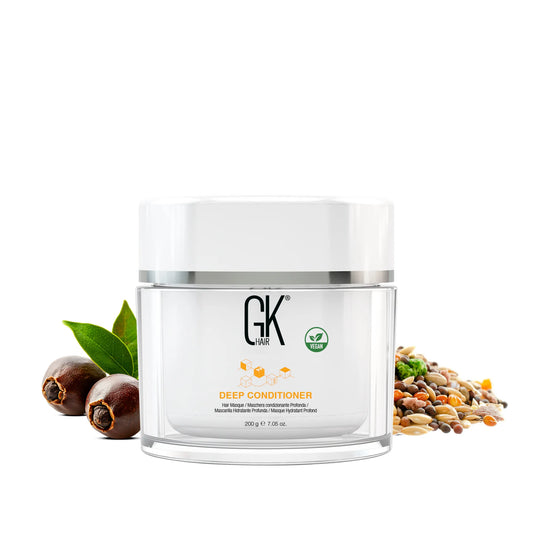
The GK Hair Deep Conditioner, formulated to nourish, hydrate, and revitalize dry strands, is the best for protecting blonde hair from losing shine. Use once or biweekly on wash days after shampooing, and leave it on for 20 minutes before washing.

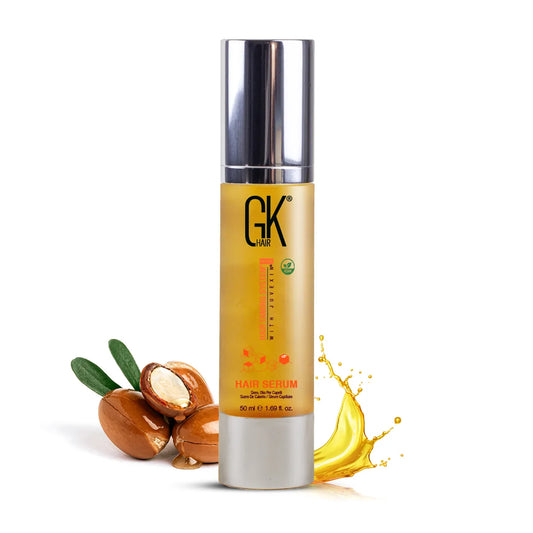
On normal days for daily hydration and protection, our lightweight leave-in bombshell hair cream is your daily blonde companion to fight brassy tones while keeping your strands hydrated.

2. Prevent mineral buildup before it dulls your hair: Use shower water softeners if you stay in a place with hard water. Wash your hair with chelating shampoos when you notice mineral buildup.
3. Protect from UV rays and heat damage: Avoid over-exposing your hair to UV rays and hot tools. Use hot tools on low heat and with a heat protectant. Always include a UV shield protecting your mask in your haircare products, or use scarves and hats during hot summers.
4. Avoid residue-heavy styling products: Blonde hair can be weighed down by buildup from heavy products or stained by some everyday products. Use lightweight and color-safe styling products to prevent buildup and stains.
5. Use purple shampoo at home & schedule a salon appointment for touch-ups: Colored blonde aftercare happens both at home and on occasional salon visits. A purple shampoo should be on your bathroom shelf but must only be used when brassy undertones appear.
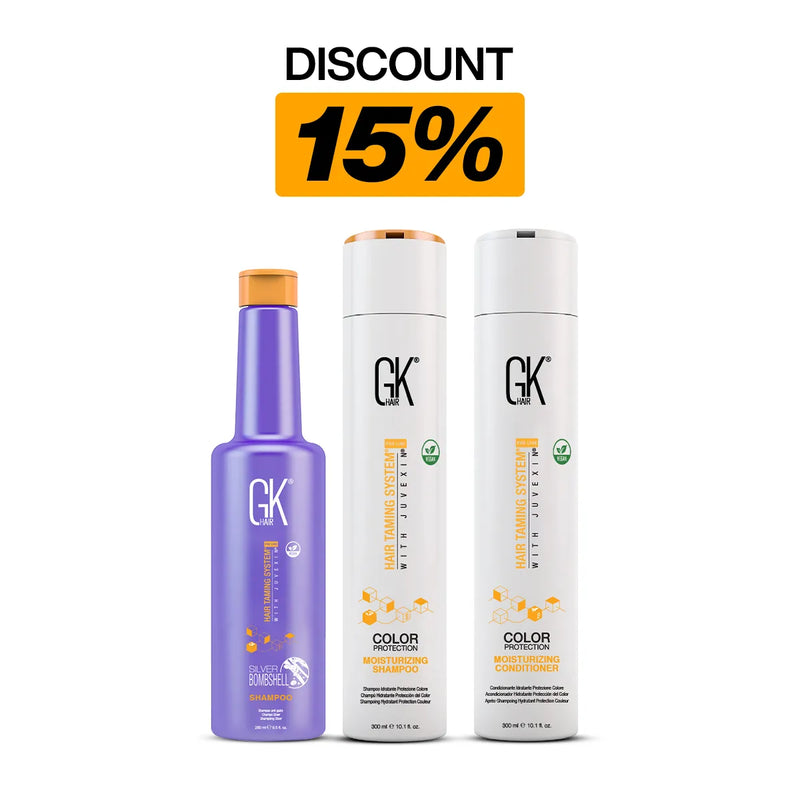
Our Silver Bombshell Shampoo is best for neutralizing yellow or brassy undertones that appear on blonde hair. For best results, use 1–2 times per week instead of daily: wet hair, dispense a quarter-size amount, focus on application and massage from mid-lengths to ends, allow to sit for 1–3 minutes, rinse thoroughly, and condition as normal.

Alternate bombshell shampoo with a color-safe moisturizing shampoo on wash days when brassy undertones do not appear. For sleek and shiny blonde hair, apply a color-safe rinse-out moisturizing conditioner after shampooing and leave for 3-5 minutes before rinsing out.
Conclusion: Why Does Blonde Hair Turn Brown?
You may not be able to wrestle with the genetics of natural blonde hair turning brown, but you sure can put up a fight with mineral buildup, heavy-styling products, heat damage, and bad coloring and aftercare products. Our Color & Masque Collection includes our hair-friending color collection, lightening powder and masque, and the Moisture & Blonde Care Pack, which contains the aftercare products for a vibrant blonde look!
Frequently Asked Questions?
Is it normal for blonde hair to turn brown naturally?
Yes. It is very common for blonde hair to turn brown naturally. This happens because of increased eumelanin production. Blonde hair turns brown naturally when the genes for brown hair switch on, and it's mostly observed in babies growing to toddlers, young children to teens, or late adulthood, especially in women reaching menopause.
Can blonde hair become blonde again after turning brown?
It depends on whether the change was caused by chemical dye or natural aging and genetics. While blonde hair that turned brown naturally can’t revert to blonde again, dyed blonde hair can, using a color remover. It’s advisable to do a dark-to-light color correction at the salon to avoid severe hair breakage.
Is blonde hair rare?
Yes. Of the different hair colors in the world, natural blonde hair is very rare. True blondes make up roughly 2% of the world’s population and are mostly found in Northern and Eastern Europe. However, these days, wearing a blonde look isn’t much of a hassle. With a proper hair dye pack, experienced colorist, and aftercare routine, you can wear any shade you like.
Where did blonde hair originate?
Genetic evidence suggests that the European-associated blonde hair trait has ancient roots in Ancient North Eurasian populations of Siberia, with the earliest known carrier of a blonde-associated genetic variant dating back roughly 17,000 years. The trait later spread through ancient Eurasian populations and became more common in Europe. Blonde hair also evolved independently in Melanesia through a different genetic mutation.
How do I keep my blonde hair from turning brown?
Keeping your blonde hair hydrated, avoiding residue-heavy styling products, protecting from UV rays, using a purple shampoo when brassiness occurs, scheduling a salon appointment for touch-ups, and preventing mineral buildup are ways you keep your blonde hair from turning brown.