Walk into a Toronto or Vancouver salon lately and you’ll hear the same line on repeat: “I just want to look like me.” Not lighter, not darker, not Instagram-ready. Natural color has become the request everyone makes, even if they struggle to explain what they mean.
It’s colour that fits into your real life, from how your skin reads in daylight to how much time you actually have between appointments.
The Difference Between Obvious Colour and Elevated Colour
There’s something quietly luxe about colour that doesn’t announce itself. When your shade sits comfortably against your skin and grows out without that harsh line, people notice you looking good. They just can't pinpoint why.
High contrast colour? Gorgeous, absolutely! But it’s also a relationship. You’re committed to salon visits every three weeks, constant root touch-ups, and a maintenance schedule that requires booking appointments months in advance.
Then there’s the Canadian weather factor. Winter heating sucks moisture out of everything. Summer UV fades colour faster than you’d expect. Believable, well-chosen colour handles both without turning brassy or giving you that telltale stripe of regrowth that says, “I'm overdue.”
Start With Your Undertone, Not the Box Photo
That woman on the hair dye box has been photographed under perfect lighting and retouched within an inch of her life. Your bathroom? Not so much.
Undertone is one of those things that sounds complicated but isn’t. It’s just the colour sitting under your skin’s surface. Get it right, and a shade makes you look rested and polished. Get it wrong and something feels off, even if you can't explain what.
Quick way to check:
-
Look at your wrist veins in natural light (green = warm, blue = cool, both = neutral)
-
Warm undertones look better in golden, honey, and caramel shades
-
Cool undertones come alive with ash, beige, and cocoa
-
Neutral? You can go either way, just don't go extreme
If you're dealing with greys, old colour, or brassiness, those specifics matter more than any inspiration photo you've saved. Your hair's history trumps everything.
Grey Coverage That Still Looks Like You
The helmet hair fear is real. You want to cover greys, but you don’t want to look like you’re wearing a single flat block of colour that doesn't move or reflect light.
Here's the fix: don’t go completely solid. Leave a bit of tonal variation near your face. Maybe some softer pieces through the mid-lengths. It reads as dimension instead of “I clearly dyed this at home last weekend.”
What actually works:
-
If your greys are just starting, try semi-permanent first. It’ll soften and blend them instead of completely covering, and it fades gradually, so you don't get that harsh grow-out line.
-
Keep some variation near your hairline instead of going full coverage everywhere.
-
When you’re torn between shades, opt for the lighter one. You can always go darker next time. Stripping out too much colour? Expensive, damaging, not fun.
Glosses and demi-permanent formulas often handle the job without locking you into permanent colour every month. They add tone and shine without messing with what's underneath.
Going Deep Without Going Harsh
Deep glossy hair looks expensive when the tone is right. Where could it possibly go wrong? Choosing something too blue or too cool, then looking either washed out or severe. Neither is the goal.
If you want real depth, look for a natural black hair dye that leans towards soft black or espresso instead of true inky black. You still get richness and shine. You just avoid looking like you're in costume.
Here's another thing about dark colours. It only works when the hair itself is healthy. Dull black looks cheap and flat. Glossy black with movement? That's the version people assume costs you a fortune.
Fair skin or cool pink undertones? Start with deep brown, see how you feel, then decide if you want to go darker. You can always add more depth. Coming back from too dark is a whole production.
The Brunette Sweet Spot for Canadian Complexions
The Brunette family is the most forgiving family out there, hands down! A natural dark brown hair color gives you options: cocoa for cool skin, chestnut, or espresso for warm, mocha if you're neutral. It works with grey blending, takes highlights beautifully, and doesn’t demand you live at the salon.

Most brunettes can refresh mid-lengths and ends every six to eight weeks, rather than doing a full root-to-tip treatment every time.
Keeps things dimensional. Stops your ends from getting muddy or too heavy. Coming from blonde or dealing with old colour? Brunette is the safest landing spot. A good colourist can use it to even everything out without having to strip your hair first.
Blonde, But Grown Up and Believable
Ash blonde became the shorthand for the “cool girl” a few years ago. It still looks modern when done well. But here's the reality: natural ash blonde hair dye is also the easiest thing to wreck at home. Get it wrong, and you're staring at grey, green, or just depressingly dull hair.
If you want ash, know this going in:
-
You can't jump more than two shades from your starting point, or the results get unpredictable and muddy.
-
If you’re cool toned or neutral, ash can look modern and clean. Warm undertones tend to do better with beige or buttery blondes, otherwise the colour can make you look sallow.
-
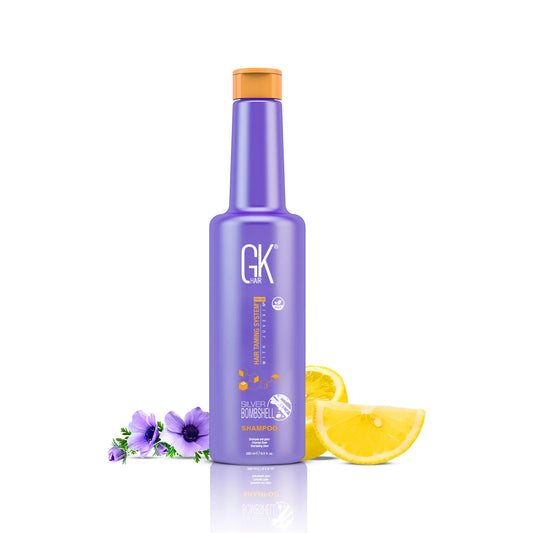
Blonde is high maintenance, no way around it. If you’re not into toners, purple shampoo, and repair treatments, you’ll be happier in a warmer lane.
Blonde takes more work than any other colour. When it’s healthy and maintained, nothing else catches light the same way. Just be honest with yourself about whether you’re willing to do the upkeep.
Thinking golden blonde might be your shade? Check out Golden Blonde Hair: Tips, Shades, and Products for a Healthy Glow for a complete breakdown on achieving and maintaining warm, luminous tones.
The Secret to Natural Colour Is Hair Condition and Shine
A perfect shade choice means nothing if your hair is damaged or coated in hard-water buildup.
Colour interacts with both the outer cuticle and the inner structure, so when those layers are rough or lifted from damage, light gets absorbed instead of reflected. Result? Flat, lifeless, obviously fake-looking colour.
Your routine at home matters just as much as the salon appointment:
-
Choose a shampoo that cleans without leaving your colour down the drain.
-
Make a weekly mask non negotiable, it’s maintenance, not damage control.
-
Don’t touch heat tools without protection first.
-
Then add a few drops of serum or oil to polish the finish.
Healthy hair holds colour longer, fades more evenly, and looks ten times more expensive than damaged hair, regardless of how much the actual colour service costs.
Where GK Hair Fits Into a Professional Routine
If you're colouring at home and want results that don’t scream “box job,” the products matter. GK Hair Juvexin Cream Color delivers salon-level colour with Juvexin V2, a keratin protein blend designed to help support your hair's integrity while you're colouring.

It has ceramides built in, formulated to help maintain strength and moisture while depositing colour. The kind that used to only happen in professional salons.
Once you've got your colour where you want it, consistency keeps it there.
-
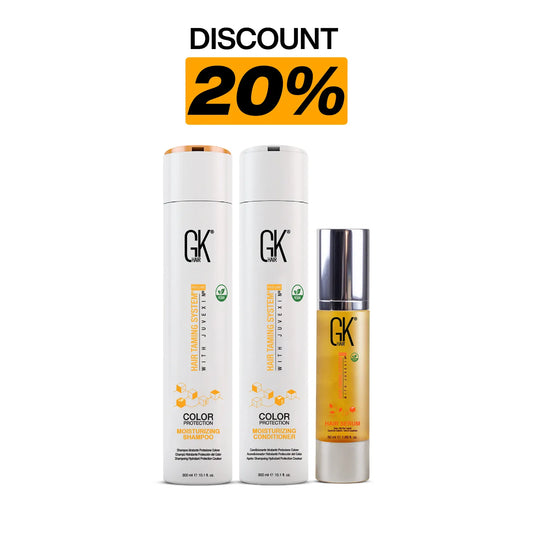
GK Hair Moisturizing Shampoo and GK Hair Moisturizing Conditioner handle daily maintenance, protecting your investment without stripping tone or leaving buildup.
-
Need more moisture? Weekly mask with GK Hair Deep Conditioner.
-
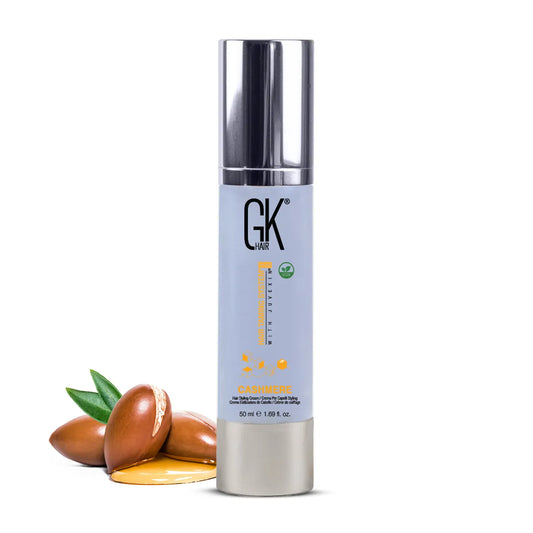
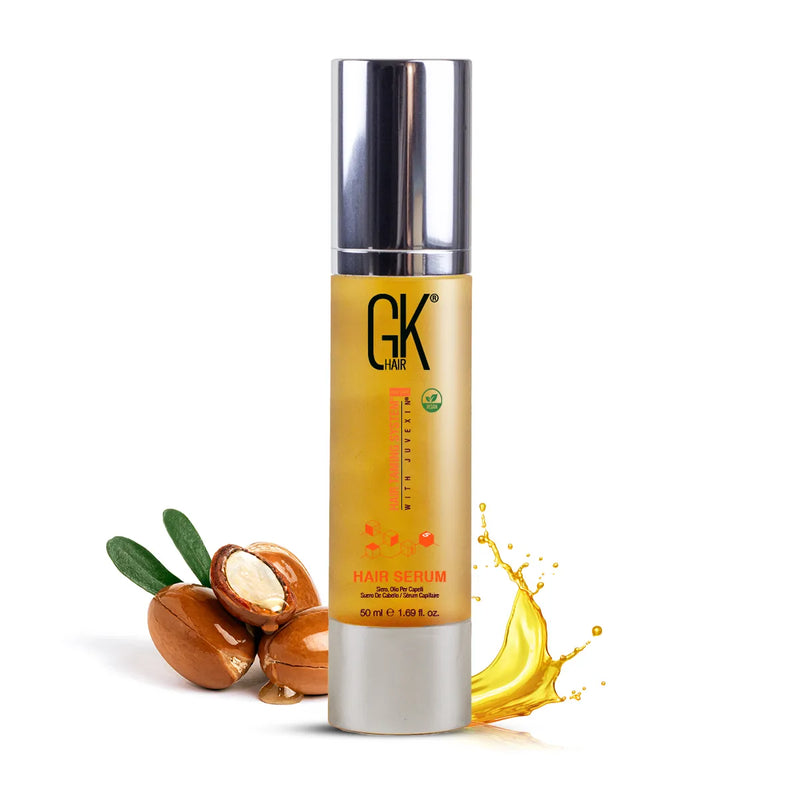
Finishing touch? Use GK Hair Argan Oil Serum for a smooth finish. The routine is simple.
Remembering to actually do it is where people fall off.

A Realistic Maintenance Schedule That Doesn’t Take Over Your Calendar
Natural colour shouldn't dominate your schedule.
A good rule is roots every four to six weeks, unless you have stubborn greys that show earlier and need quicker coverage. In between, glosses or toners every six to eight weeks keep the colour looking clean, dimensional and shiny without doing a full colour day.
Seasonal adjustments:
-
Winter: More conditioning is needed because heating can destroy moisture.
-
Summer: UV protection to prevent colour from fading or shifting unevenly.
-
Hard water: Clarify monthly to prevent mineral buildup that dulls the colour.
A colour-depositing mask applied weekly at home helps stretch salon visits without making you feel like you're constantly managing your hair.
Common Mistakes That Make Natural Color Look Unnatural
Small mistakes compound fast at home. Going too dark too quickly is the biggest one. Unsure? Start lighter, adjust later. You can always go darker. Skipping strand tests when you've had previous colour or treatments? You're asking for chaos.
Other sabotage moves:
-
Overlapping permanent colour on ends every time instead of just doing roots.
-
Using hot tools without protection.
-
Washing too often with hot water (opens the cuticle, lets colour escape).
-
Trying to jump from blonde to black or back without professional help.
Making a big change between colour families? Pay for a colourist for at least the first session. They'll assess porosity, see what colour is already there, and give you something intentional instead of accidental.
Your Best Colour Is the One That Feels Like You
Think of your hair colour as a polish, not a makeover. Pick something that compliments your skin, protects your hair so the colour looks rich and conservatively so you can adjust gradually instead of fixing a mess.
Natural color is about looking polished and confident, rather than chasing perfection.