Frizzy hair is a common concern that many individuals face, leading to frustrating styling battles and a constant search for effective solutions. Understanding the underlying causes of frizz is the first step toward achieving smooth, manageable locks. This guide will delve into the what causes frizzy hair, offering expert tips and product recommendations to help you tame the frizz and embrace your beautiful, healthy hair.
Understanding the Causes of Frizzy Hair
Cuticle disruption has several common triggers. Some obvious, some less so.
Environmental Factors Contributing to Frizz
This is among the major causes of frizzy hair, particularly in summer. The moisture levels in the air tend to be higher (i.e., humidity). Hence, dry hair is presented with a chance of absorbing some water from the air. The moisture absorbed ruptures the hydrogen bonds in the hair and lifts the cuticle. This causes swelling of the hair shaft.
Shower Temperature
The temperature of water is a larger factor than some will imagine. Hot water may feel good, but it softens up and loosens the cuticle, depriving your hair of the natural oils that give it its protective hydrophobic barrier. This loosens your hair strands in the long run, making them more porous and more prone to frizz.
A warm wash followed by a cool or cold rinse allows your cuticle to contract and lie flatter. The process supports moisture retention while increasing shine and building hair protection against humidity.
Heat Styling
Extensive heat styling without protection can deprive your hair of its natural oil, resulting in raised and rough cuticles. This gives room to dry and damaged hair strands and can eventually lead to permanent damage to the protein structure, as well as perpetual dryness.
Excessive Washing
Washing your hair is good but excessive washing may lead to damage. It removes sweat and product buildup in the hair but the cleansing agents in your shampoo may distort the protective barrier which locks in moisture in your hair. Hence, the hair loses even more moisture and becomes dry.
Over-brushing
Over-brushing (or using a hard-bristle brush) allows humidity to affect your hair more. Using the wrong hairbrush leads to unnecessary friction on dry or textured hair, and therefore, frizz can occur. Similarly, split ends and rough hair texture can be pointers of over-brushing.
Rough Drying
Conventional bath towels are rough. When rubbed on wet hair, friction occurs, with a lift in the cuticle and a disruption in the structure of the strand. Wet hair is already susceptible because the hydrogen bonds within it are temporarily loosened, and rough handling makes things worse.
Abrasive Hair Products
Sulfate-containing shampoos, bleaching, and coloring hair products can also cause the hair to frizz. They usually contain active agents that work by lifting the hair cuticle. Extensive use of these products roughens your hair's surface and steals its shine. Using the right products at the wrong time can also reduce their effectiveness or lead to a buildup.
Genetic and Hair Type
While it is true that frizz is mostly caused by external factors, some hair types, due to their structure, are more easily frizzed than others. Curly and wavy hair textures prevent the scalp oil from running down the hair shaft due to their structure.
Curly hair must absorb water from the external environment, and in case of a lack of moisture, frizz arises. Aging hair is also likely to frizz up because of the reduced sebum production, splitting, and accumulation of damage.
Hair Type & Frizz: What You Need to Know
Different hair types experience frizz differently — and need different solutions.
| Hair Type | Frizz pattern | Best Approach |
|---|---|---|
| Straight (Type 1) | Surface frizz and flyaways, especially at roots | Lightweight oil serum, reduce static |
| Wavy (Type 2) | Mid-shaft frizz, loses wave definition in humidity | Leave-in cream + diffuser, avoid touching while drying |
| Curly (Type 3) | High frizz throughout, shrinkage in humidity | Deep condition weekly, use curl cream, finger detangle |
| Coily (Type 4) | Extreme porosity-related frizz, dryness at ends | LOC method (liquid, oil, cream), protective styles |

How to Prevent Frizzy Hair
Frizz is not permanent. Your frizzy hair can be tamed with the proper products and strategy. Generally, avoiding frizz begins by shielding both the inner structure and outer barrier of your hair.
-
Trim Regularly: Split ends move up and make the strands appear coarser than they are. Keeping your ends clean prevents frizz from spreading.
-
Reduce heat styling: Minimizing heat styling preserves the hair's keratin structure. You should use a heat protectant before using hot tools because it will protect your hair from direct damage.
-
Use a sulfate-free Shampoo: The use of a moisturizing shampoo which is a sulfate-free formula helps to keep the hydration levels without removing the natural oils. Choose formulas that are free from sulfates, that is, formulas that wash well but don't damage the hydrophobic layer of your hair.
-
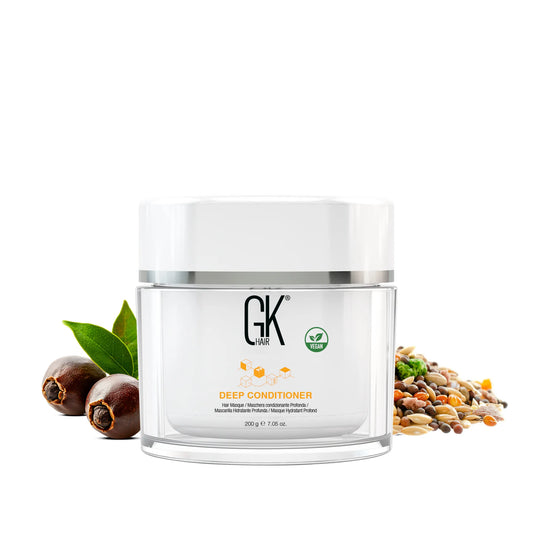
Condition consistently: A nourishing conditioner or weekly deep conditioner mask replenishes moisture and gives strength to the hair's outer layer.
-
Choice of towel: Rough towels should be replaced with a microfiber towel or soft cotton T-shirt. The proper method to remove water is to gently blot dry instead of rubbing because doing this reduces friction.
How to Get Rid Of Frizzy Hair in 5 Minutes
-
Start with your hands, not more heat. Rub a small bit of hair oil or serum in your hands and press down on the frizzy parts of hair and smooth it down. Do not scrunch, don't rub. Just press and smooth downward. Works surprisingly fast.
-
Water is your friend here. Lightly dampen the frizzy parts with a spray bottle, then immediately follow with a leave-in conditioner cream. The moisture resets the hair shaft, and the product seals it in.
-
If it’s just the top layer going rogue, take a soft-bristle brush, spritz the brush with water lightly and then comb your flyaway hair gently. Some people use an old mascara wand for baby hairs specifically. Sounds weird, but works fine.
-
A little cold air goes a long way. Blast your hair with the cool shot on your blow dryer while smoothing hair down with your hands. Heat opens the hair cuticle, cool air closes it. That’s what frizz really is, an open cuticle.
-
A sleek low bun or ponytail with a drop of oil on the surface looks intentional. Nobody has to know it took 90 seconds because you were running late.
Pro tip: For curly hair, detangle with fingers first, then add curl cream after misting.
Straight hair responds best to oil alone or with straightening.
Still worried about how to fix frizzy hair in curls? This curly hair routine can help you.
Recommended Products to Fix Frizzy Hair
Top Shampoos for Frizz Control
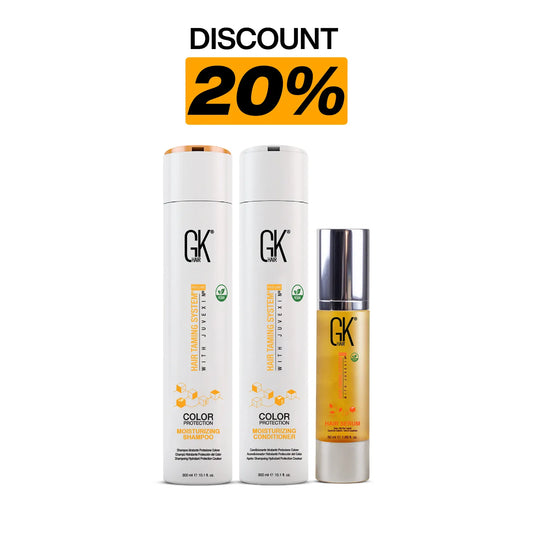
When people ask what the best shampoo for frizzy hair is, the answer is that both efficient and mild cleansing is required. GK Hair’s Moisturizing Shampoo is your perfect fit. Apart from the fact that it contains Juvexin, our trademark keratin-based protein blend, it also contains humectants that will help to hydrate your hair and smooth the scalp. Our moisturizing shampoo is sulfate-free so your scalp's oil balance won't be disrupted.
Best Conditioners for Managing Frizz
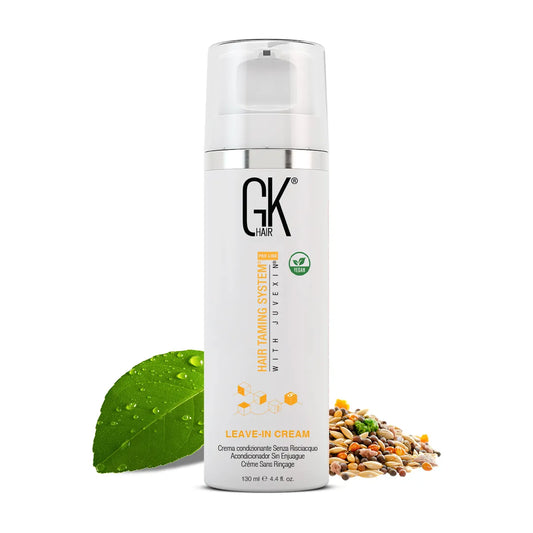
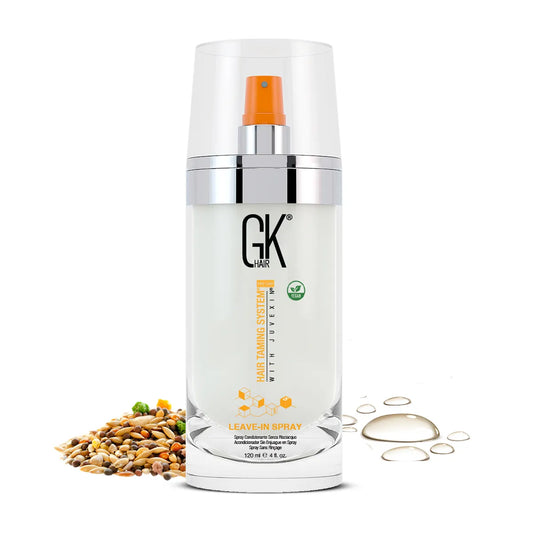
A good leave-in tames frizzy hair and flyaways. Our leave-in conditioner cream is your best go-to for preventing humidity from penetrating your hair. It does this by forming a protective coating on the hair shaft that smooths the cuticle and traps in moisture. A leave-in conditioner also helps to facilitate shine and manageability.
Effective Serums and Styling Products
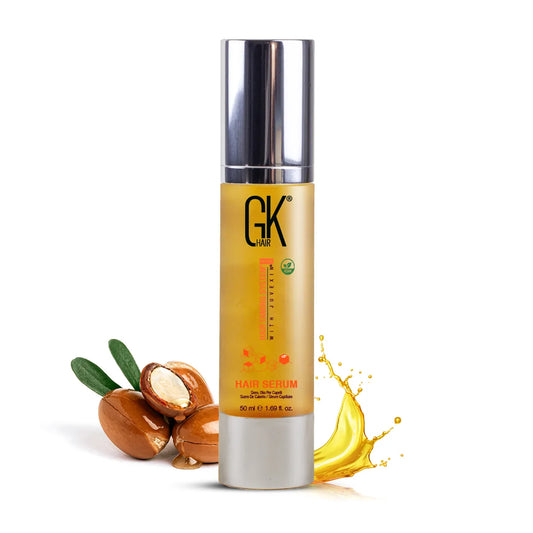
If there is one product worth investing in, it is a quality frizz-control serum. Our top pick for this is GK Hair’s Argan Oil Serum. It smooths, nourishes, moisturizes, and adds shine to your hair.
Heat Protectant Cream
A styling cream that contains Juvexin together with other beneficial components helps maintain hair moisture, while a heat protectant primarily protects hair from heat damage (a leading cause of dry and frizzy hair).
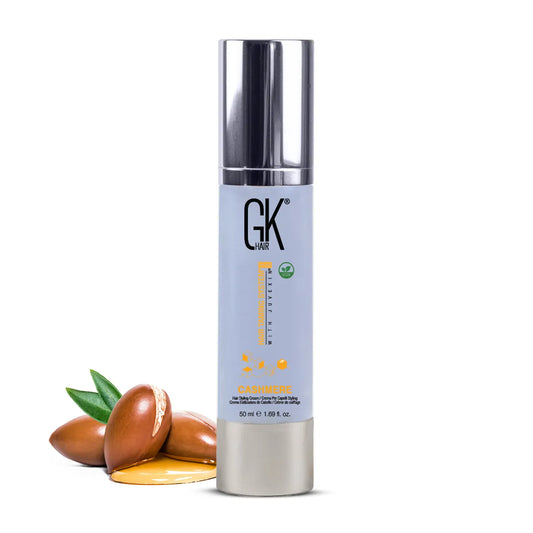
But do you know you can get both in one hair product? GK Hair ThermalStyleHer Cream functions as a dual-purpose product that provides heat protection while enhancing hair shine and softness. This cream provides more than heat protection because it enables your hair to maintain its natural moisture while it prevents frizz.
Your Smooth Hair Journey Starts Here
Understanding what frizzy hair is changes how you approach it — it’s not a texture problem, it’s what happens when your moisture barrier breaks down, your keratin takes damage, and humidity hijacks your hydrogen bonds before you’ve even left the house. Once that clicks, less heat, the right products for your hair type, and actual consistency start making a lot more sense. Your hair responds when you work with its structure, not against it. Our anti-frizz collection is built around exactly that, so smooth, shiny hair all day isn’t as far off as it feels.
Frequently Asked Questions
How can I prevent frizzy hair?
To prevent frizz, use a moisturizing shampoos and conditioners, minimize heat styling, protect your hair from humidity with anti-frizz products, and consider protective styling options.
Is frizzy hair a sign of damaged hair?
Frizz can indicate damaged hair, especially if it's accompanied by dryness and split ends. Regular deep conditioning and gentle hair care can help restore its health.
How often should I deep condition my hair to reduce frizz?
For best results, deep condition your hair weekly. This helps replenish moisture, strengthen the hair cuticle, and reduce frizz effectively.